Published on 15 July 2026
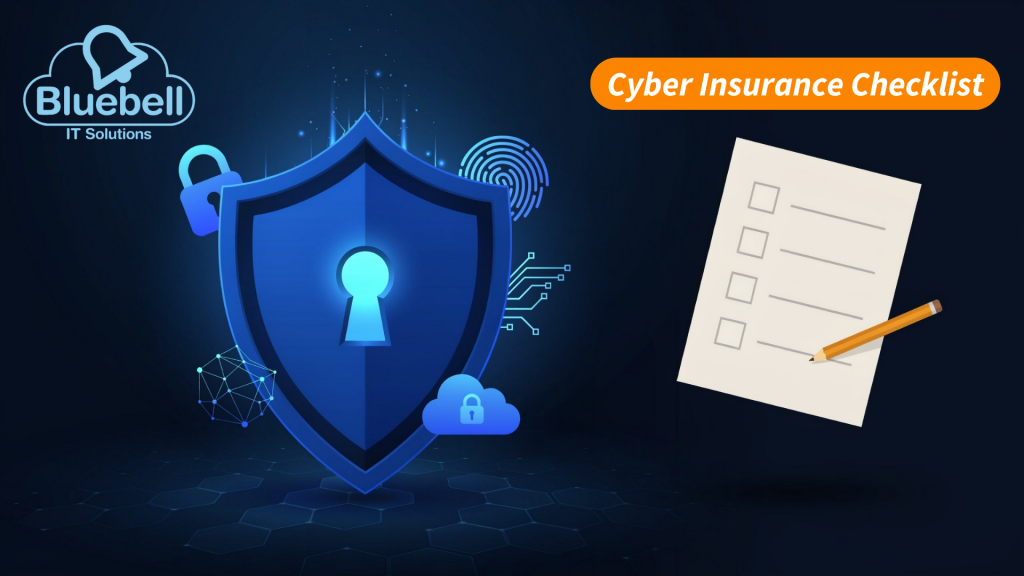
Cyber insurance has become an important part of risk management for many businesses. It can help cover costs associated with data breaches, ransomware incidents, business interruption, and recovery efforts when something goes wrong.
The challenge is that obtaining cyber insurance is no longer as straightforward as completing a short application form and waiting for approval.
The application process has changed significantly in recent years. Insurers are asking more detailed questions about security controls and, in many cases, looking for evidence that those controls are genuinely in place before offering cover. Pritchard (Infosecurity Magazine, 2025) notes that cyber insurance buyers are facing greater scrutiny around security measures and documentation during the underwriting process.
For SMEs, this means cyber insurance readiness starts well before the application process begins.
If you’re applying for cover or preparing for renewal, here are some of the key controls insurers are likely to look for.
Cyber insurers have seen the impact that ransomware, business email compromise, and other cyber incidents can have on organisations of all sizes. As a result, the application process has become more detailed, with underwriters looking more closely at how businesses manage cyber risk.
This reflects the wider threat landscape facing SMEs. According to the Hiscox Cyber Readiness Report, 59% of SMEs surveyed experienced a cyber attack within the previous 12 months (Hiscox, 2025). Insurers are therefore placing greater emphasis on preventative controls and cyber resilience when assessing applications.
The good news is that many of the controls insurers expect are also the controls that help businesses reduce risk every day.
If there is one control that appears on almost every cyber insurance application, it’s MFA.
Insurers want to know that user accounts are protected by more than just a password. This is particularly important for email accounts, remote access systems, cloud services, and administrator accounts.
The reason is simple. Compromised credentials remain one of the most common ways attackers gain access to business systems. MFA adds an additional layer of protection and significantly reduces that risk.
Traditional antivirus software is no longer enough for many insurers.
Endpoint Detection and Response (EDR) solutions provide greater visibility into suspicious activity and can help identify threats before they spread throughout the network.
Insurers increasingly want reassurance that businesses can detect and respond to malicious activity rather than relying solely on preventative tools.
Backups remain one of the most important controls when it comes to cyber resilience.
Many cyber insurance applications now ask detailed questions about backup practices, particularly around ransomware recovery.
It’s no longer enough to simply have backups. Insurers increasingly want assurance that backups are protected, regularly tested, and capable of supporting recovery when needed. A backup that hasn’t been tested may not work when it’s needed most.
Unpatched vulnerabilities continue to be one of the most common routes attackers use to compromise systems.
As a result, insurers often ask how quickly security updates are applied across the business.
A documented patch management process demonstrates that systems are being maintained properly and known vulnerabilities are not being left exposed unnecessarily.
Technology alone cannot prevent every cyber incident.
Many successful attacks still rely on phishing emails, social engineering, or human error. Because of this, insurers increasingly want to see evidence that employees receive regular cyber security awareness training.
The goal isn’t to turn every employee into a security specialist. It’s to help them recognise suspicious activity and understand how to respond appropriately.
If an incident occurs, insurers want confidence that the business can respond quickly and effectively.
A documented incident response plan helps ensure everyone understands their responsibilities during a cyber incident and reduces confusion when time is critical.
Many insurers now ask whether businesses have formal response procedures and whether those procedures have been reviewed and tested.
Visibility is becoming increasingly important during cyber insurance assessments.
When an incident occurs, logs often provide the evidence needed to understand what happened, when it happened, and what systems were affected.
Insurers may ask how security events are monitored and whether logs are retained appropriately for investigation purposes.
Having the right controls is only part of the process.
Businesses are increasingly expected to demonstrate that those controls are operating effectively. That means being able to provide evidence when insurers ask for it.
Examples include:
Keeping this information organised can make applications and renewals far easier, while also highlighting any gaps before an insurer finds them.
Cyber insurance applications increasingly resemble security assessments. Insurers want reassurance that businesses are taking reasonable steps to protect their systems, data, and users.
For SMEs, that doesn’t necessarily mean investing in every security tool available. It means getting the fundamentals right and being able to demonstrate that they’re working.
Many of the controls on insurance questionnaires are already considered good security practice. If they’re properly implemented and maintained, businesses are often in a much stronger position when renewal time comes around.
Cyber insurance can provide valuable financial protection, but insurers increasingly expect businesses to demonstrate a reasonable level of cyber maturity before offering cover.
The controls they look for are largely the same controls that help reduce risk every day. MFA, EDR, backups, patching, staff training, incident response planning, logging, and good documentation all contribute to a stronger security posture.
If you’re preparing for a cyber insurance application or renewal and aren’t sure whether your current controls meet insurer expectations, Bluebell IT can help you identify any gaps and put the right measures in place before the questions start arriving.
© 2026 Bluebell IT Solutions - All rights reserved
SEO and Website Design by Loop Digital