Published on 15 May 2026
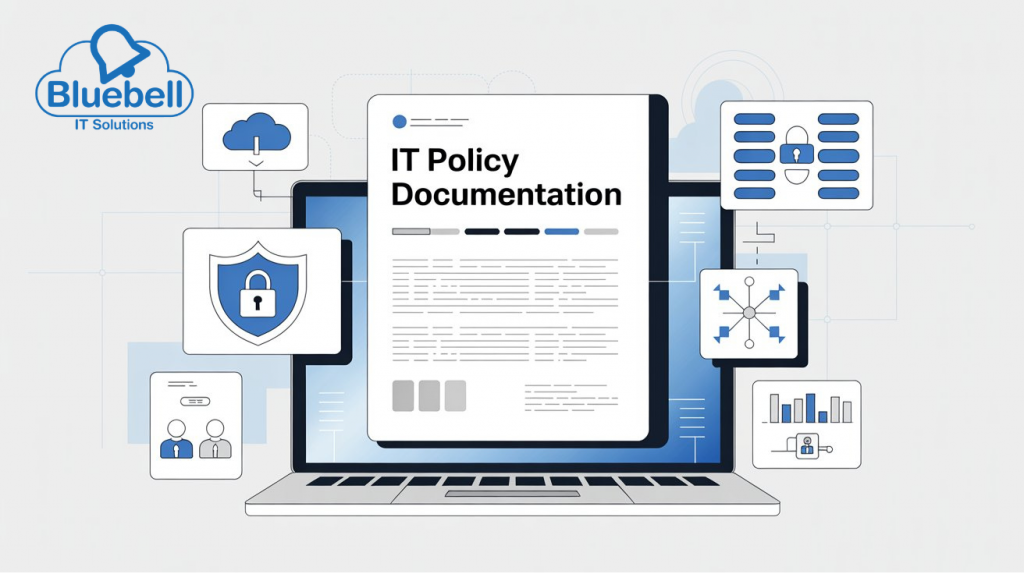
Most businesses invest in firewalls, antivirus software, and cybersecurity tools. But one of the most important parts of protecting your organisation often gets overlooked: clear, properly documented IT policies.
Technology alone can’t secure a business. Your people need guidance on how systems should be used, how data should be handled, and what security standards apply to them. Without that clarity, businesses are far more likely to experience data breaches, compliance issues, and costly human error. In many cases, the people involved didn’t even know they were doing something wrong.
At Bluebell IT, we regularly see organisations with strong technical infrastructure but inconsistent internal processes. Staff are unsure what’s expected of them when handling sensitive data, working remotely, or responding to a suspicious email. Good policies remove that uncertainty and give everyone, from full-time employees to contractors and third-party suppliers, a clear framework to work within.
This one sets the ground rules. An acceptable use policy defines how employees should use company technology, including laptops, mobile devices, email, cloud platforms, and internet access.
As more consumer-grade tools find their way into the workplace, the risks around unauthorised software, unapproved AI tools, and personal cloud storage are growing. Employees often don’t realise these habits create security gaps. They’re trying to get their job done efficiently, which is understandable, but without boundaries in place, well-intentioned workarounds can create serious vulnerabilities. A clear policy sets expectations before problems arise.
If your business doesn’t have a dedicated AI usage policy in 2026, it almost certainly needs one. AI tools have become part of everyday working life, and employees are using them whether a policy exists or not.
The problem is that many of these tools are being used without any oversight. Staff paste sensitive customer data into AI chatbots, use personal accounts on consumer platforms, or adopt tools that haven’t been reviewed or approved by IT. This is what’s commonly referred to as Shadow AI, and it’s one of the fastest-growing risks we’re seeing across businesses of all sizes.
An AI usage policy should cover which tools are approved for business use, what types of data can and cannot be entered into AI platforms, whether personal AI accounts can be used for work purposes, and who is responsible for reviewing and approving new AI tools before they’re adopted.
Getting this in place doesn’t mean restricting your team from using AI. It means making sure they’re using it safely and in a way that doesn’t put your business or your clients’ data at risk. Done well, a clear AI policy actually gives employees more confidence to use these tools, because they know what’s acceptable.
Weak passwords remain one of the most common causes of cyber incidents, and it’s a problem that hasn’t gone away despite years of awareness around it. A password and authentication policy ensures staff follow secure login practices across all systems, covering password length, password managers, multi-factor authentication, and account lockout rules.
Modern guidance has moved away from complicated combinations that people write on sticky notes and forget. Long, unique passphrases are far more effective and easier for people to remember. And multi-factor authentication is non-negotiable at this point. Even if a password is compromised through a phishing attack or a third-party data breach, MFA can stop an attacker from getting any further into your systems.
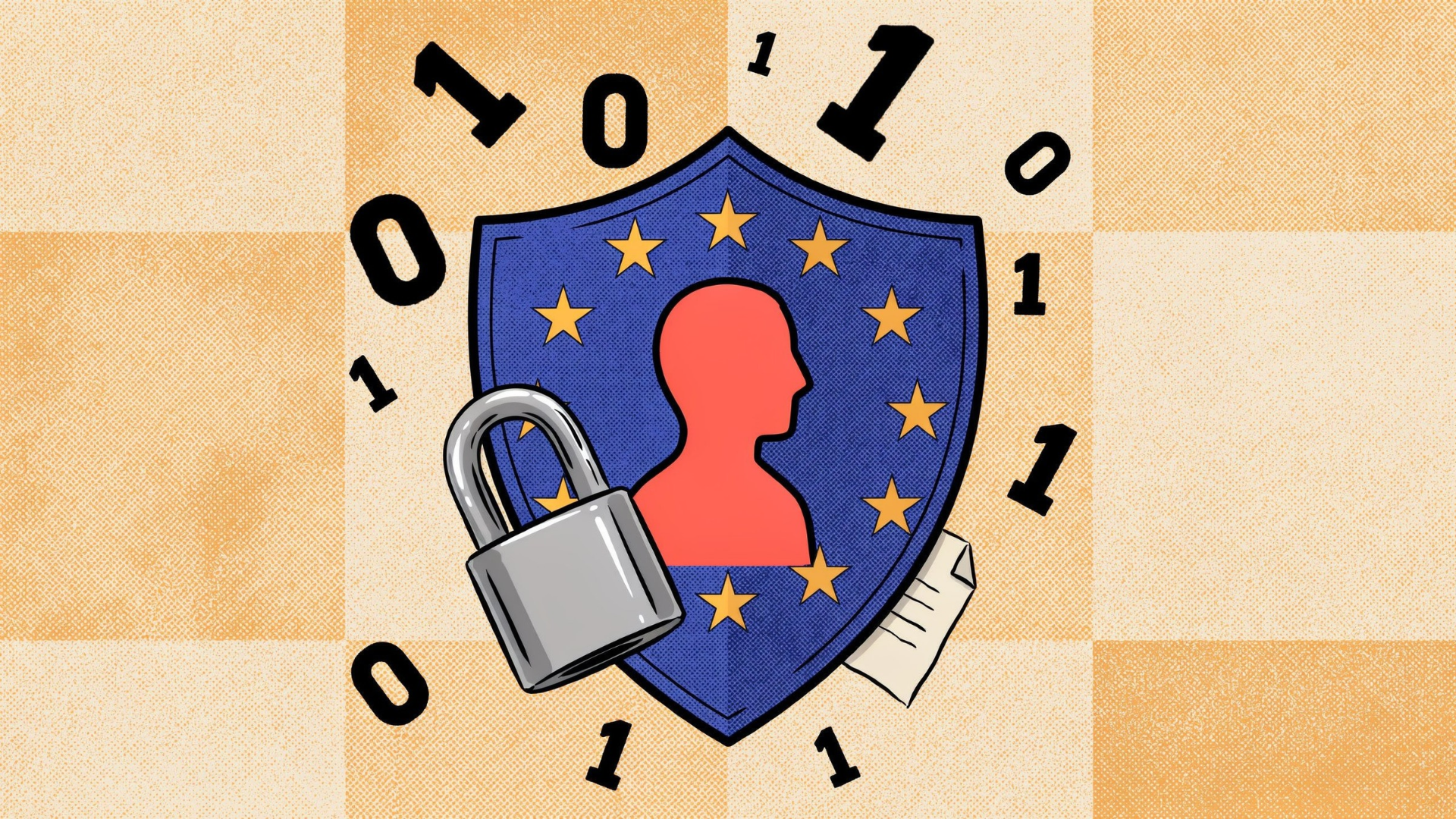
Businesses handle more sensitive information than ever before, from customer records and financial data to employee details and confidential documents. A data protection policy outlines how that information should be collected, stored, shared, and securely disposed of throughout its lifecycle.
Beyond keeping you compliant with UK GDPR, it also forces the business to think carefully about who needs access to what. Not everyone needs access to everything, and restricting that access is one of the simplest ways to reduce your exposure. Sensitive data should have stricter controls, encryption, and monitoring around it. This isn’t a once-a-year compliance exercise. It needs to be treated as an ongoing part of how the business operates.
Remote and hybrid working are now standard for many organisations. But employees accessing company systems from home networks, shared workspaces, or personal devices introduces real security challenges, particularly when there are no clear expectations in place.
A secure remote working policy should cover approved devices and software, VPN requirements, public Wi-Fi usage, device encryption, physical security of equipment, and how to report lost or stolen devices. It’s also worth addressing what employees should do if they suspect something has gone wrong while working offsite. Without a clear policy, your security standards are only as strong as your least careful employee working from a coffee shop.
Ransomware, spyware, and malicious downloads continue to cause serious disruption across businesses of all sizes. What’s worth noting is that most infections start with something simple: opening a suspicious attachment or downloading a file from an untrusted source. The technical sophistication of the attack is often less of a factor than the moment of human error that let it in.
An anti-malware policy covers approved endpoint protection, patching and update requirements, safe email practices, download restrictions, and how to report anything suspicious. Getting this documented and communicated to staff makes a real difference in how often these incidents occur.
Email remains one of the most common entry points for phishing, credential theft, and malware. An email policy helps employees use company email safely and professionally, covering suspicious attachments, external communications, and what should never be sent over email.
An internet usage policy sits alongside this, addressing unsafe browsing, unauthorised downloads, and misuse of company systems. Together they protect your business and help maintain professionalism online. Two relatively straightforward documents that carry a lot of weight when something goes wrong and you need to demonstrate that clear guidance was in place.
Easy to overlook, but worth taking seriously. USB drives and portable storage devices can expose sensitive data or introduce malware into your systems, bypassing controls that would otherwise catch a threat. They’re also easily lost, which creates an entirely different problem if they contain unencrypted business data.
A removable media policy covers which devices are approved, encryption standards, how devices should be stored and disposed of, and whether personal USB devices are permitted on company systems at all.
Encryption protects sensitive data both in storage and in transit. An acceptable encryption policy defines the standards your business should follow to keep confidential information secure, particularly if you’re handling financial data, personal records, or commercially sensitive documents.
It also supports your compliance requirements and can meaningfully reduce the impact of a breach if one does occur. If data is properly encrypted, a lost device or an intercepted file transfer becomes a much smaller problem than it would otherwise be.
Cybersecurity is a business wide responsibility. As organisations adopt more cloud platforms, AI tools, and flexible working arrangements, the need for clear IT governance only grows. The threats are more complex, the tools employees use are more varied, and the consequences of getting it wrong are more significant than they were even a few years ago.
However, policies sitting in a shared folder that nobody reads aren’t protecting anyone. To be effective, they need to be communicated clearly, reviewed regularly, and reinforced through training. The best IT policies are practical, easy to understand, and reflect how your people work day to day. If a policy is too complicated or too restrictive to follow, people will find a way around it.
From password security and data protection to remote working and anti-malware controls, having the right policies in place gives your business a solid foundation to manage risk and respond effectively when challenges arise.
The businesses that get this right aren’t necessarily the ones with the biggest IT budgets. They’re the ones that took the time to put proper processes in place and made sure their people understood them.
If your organisation needs help reviewing, creating, or implementing IT policies that support security, compliance, and modern working practices, contact Bluebell IT today.
© 2026 Bluebell IT Solutions - All rights reserved
SEO and Website Design by Loop Digital